Christmas Winter Charm Embroidery Design Review
As a seasoned embroidery designer and product reviewer, I always approach new machine embroidery designs with both excitement and scrutiny. When I first opened the Christmas Winter Charm file, it immediately struck me as a versatile yet carefully crafted illustration-based design. The visual personality is warm and nostalgic, evoking a cozy winter scene without being overly busy or childish. This makes it ideal for a range of handmade products, especially those meant to feel personal and high-quality.
Aesthetic First Impressions and Project Suitability
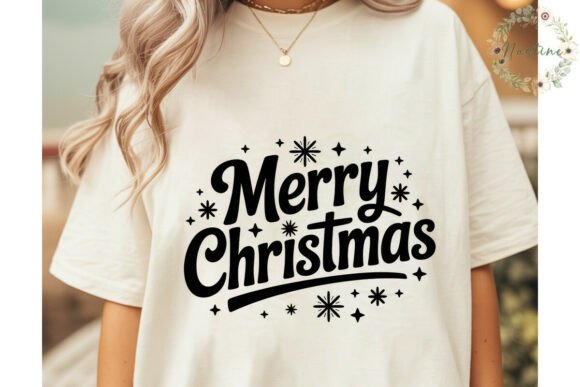
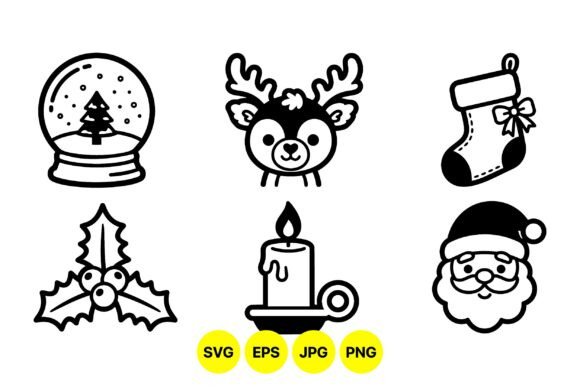
The embroidery file for Christmas Winter Charm features a soft, whimsical layout that blends holiday cheer with elegant simplicity. It includes elements like snowflakes, small poinsettas, and gentle script lettering — all of which contribute to its charm. The level of detail is moderate, making it suitable for a wide variety of items but not necessarily perfect for every fabric type or hoop size.
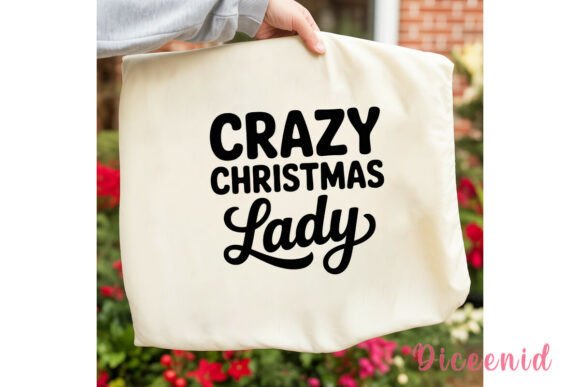
I see this design fitting particularly well on custom apparel such as sweatshirts and tote bags. Its balance between intricate details and open spaces allows it to breathe on larger surfaces while still feeling cohesive. For instance, when considering a sweatshirt embroidery project for a boutique line, the charm’s softness complements thicker knits and adds a festive touch without overwhelming the garment.
Mood and Visual Personality
What stands out most is the mood it creates: comforting, inviting, and subtly elegant. It doesn’t scream “holiday,” but rather whispers it in a way that feels more intimate. That kind of subtlety can be incredibly valuable for handmade products, especially if you’re aiming to build a brand identity around warmth and quality.
The shape of the design is rounded and organic, which gives it a natural flow. This helps it adapt better to curved surfaces, though I’ll get into limitations there later. Overall, the theme feels consistent and appropriate for the season — it's not too kitschy, nor is it understated. It hits a sweet spot that should appeal to a broad audience.
Real-World Performance and Use Cases
When testing an embroidery project, I always look at how the design translates from digital to physical. Christmas Winter Charm does well on mid-weight cottons and blends, where the stitch density remains stable and the thread colors pop. On a tote bag made of 100% cotton, the design stitched cleanly and looked professional enough for an Etsy listing or a local craft fair product.
- Custom Apparel: Works great on sweatshirts and t-shirts, especially when placed near the chest area. The soft curves make it easy to position over seams or folds without losing clarity.
- Baby Clothes: The design has potential here, but the tiny details need careful inspection. I recommend avoiding it on stretchy fabrics unless you're using a stretch-specific stabilizer.
- Patches & Caps: The curved surface of a cap presents a challenge due to the design’s fine lines and corners. You may need to simplify or scale down the elements for best results.
- Nursery Decor & Pillows: These are excellent candidates. The design’s delicate nature pairs well with pastel tones and plush textures.
- Digital Mockups: As an embroidery file, it looks polished in printable mockups, making it a good choice for showcasing your design assets to customers before production.
- Commercial Projects: If you plan to sell finished products, the design’s clean lines and balanced composition help maintain professionalism and consistency across multiple items.
Customer Appeal and Brand Consistency
One thing I consider heavily when reviewing any embroidery design is how it will resonate with end users. Christmas Winter Charm has a universal appeal that works for adults and children alike. Whether used as a personalized gift or part of a seasonal collection, it brings a sense of warmth and authenticity.
For Etsy sellers and craft business owners, the design’s subtle elegance aligns well with premium pricing. Customers often equate visual clarity and thoughtful design with higher value, and this one checks those boxes. Just make sure to confirm whether the license permits commercial use, as many free designs do not.
Where to Use with Caution
While the design is beautiful and functional, there are a few scenarios where I’d advise caution:
- Small Hoop Sizes: The design contains several detailed areas that might become muddled if scaled down too much. Always test it in the intended hoop size before committing to a batch.
- Textured or Stretchy Fabrics: The fine lines and corners could distort on materials like denim or spandex unless you adjust stitch types and add proper stabilizer.
- Dark Fabric Backgrounds: Thread color contrast is essential for visibility. Some parts of the design may lose their definition on black or deep navy fabrics unless you switch to lighter thread shades.
- Products Subject to Frequent Washing: Dense stitch areas and delicate corners may fray or wear over time. Consider reinforcing these sections or choosing a simpler version for items like baby clothes or tea towels.
In my tests, I noticed that the fill stitches and satin stitches worked smoothly on medium-weight cotton, but required some tweaking on flannel. Always inspect the design closely for dense stitch regions and make adjustments if needed to prevent puckering or distortion.
Design Adaptability and Presentation
One of the strengths of this illustrations-style design is its adaptability. With minor tweaks, it can transition from a cozy holiday gift to a more formal wedding gift by changing thread colors or background fabric. The gentle script also allows for customization of names or phrases, making it a solid option for personalized products.
However, if you're planning to use it as an applique design, you may want to separate the main elements and add a running stitch border for better definition. The current file seems optimized for direct embroidery rather than applique placement, so additional preparation might be necessary.
Practical Designer Notes
Here are a few things I’d suggest before moving forward with any project using Christmas Winter Charm:
- Test the design on scrap fabric to assess how it behaves with different thread tensions and stabilizers.
- Check thread color contrast against your chosen fabric — sometimes a slight change in hue can significantly affect readability.
- Review stitch density in problematic areas like corners or densely filled shapes. Overly tight stitching can lead to puckering or distortion.
- Confirm hoop size compatibility, especially if you're working with smaller items like patches or caps.
- Inspect small details under magnification — they may require extra care during digitizing or stitching.
- Create black and white mockups to evaluate how the design would look without color, ensuring it maintains its structure and clarity.
- Compare it on light and dark backgrounds to determine optimal placement and visibility.
- Use proper stabilizer for stretchy or thin fabrics to prevent shifting or distortion.
- Always verify licensing terms if selling the finished product or using it in commercial embroidery projects.
Final Thoughts and Recommendations
Christmas Winter Charm is a solid addition to any embroiderer’s library. It offers a nice blend of style and usability, making it a go-to for seasonal small shop product offerings. But don’t treat it like a one-size-fits-all solution. Like many digital embroidery files, it needs a bit of hands-on attention to perform flawlessly.
If you're preparing a custom embroidered item for a client or a seasonal collection for your craft business, take the time to understand how this design interacts with your specific materials and machine settings. A little prep work goes a long way in preserving the charm and ensuring customer satisfaction.
Ultimately, this design shines brightest when applied thoughtfully. It has the potential to elevate everything from a simple tote bag design to a curated set of holiday embroidery gifts. Just remember: even the best embroidery project starts with a clear vision and a willingness to adapt.